Nils Butler · 11 September 2026
Strategic Link Placement Approaches in Dynamic Content Ecosystems
Dynamic content ecosystems encompass platforms where text, images, and interactive elements shift according to real-time data inputs, user profiles, and algorithmic adjustments, and strategic link placement in these environments follows patterns documented across web architecture standards and industry analyses. Researchers at various institutions have tracked how links embedded in such systems influence navigation paths, information flow, and indexing behaviors by search engines. Data from multiple sources indicates that placement decisions often account for content volatility, where sections refresh without full page reloads, while maintaining relevance to surrounding material.
Systems built on content management frameworks like headless CMS setups generate pages that pull from APIs and databases, which means links must align with modular blocks rather than fixed positions. Observers note that this modularity allows automated insertion rules based on metadata tags, yet it also introduces variables such as conditional rendering that can suppress or prioritize certain hyperlinks depending on viewer location or device type. Studies conducted through 2025 have shown measurable differences in crawl frequency when links sit within persistently visible modules versus those triggered by scroll events or personalization scripts.
Core Placement Principles in Changing Environments
Placement begins with mapping content zones that remain stable across updates, then layering contextual links that match semantic signals from adjacent text. Those who analyze large-scale web traffic patterns report that links positioned near primary keywords or within explanatory paragraphs tend to receive higher engagement metrics compared to footer clusters or sidebar widgets that rotate frequently. Yet the same analyses reveal that dynamic sidebars can still deliver value when they incorporate user-session data to surface related resources without breaking topical continuity.
Timing plays a documented role as well. Links introduced during content generation phases integrate more reliably into indexing queues than those added post-publication through client-side scripts. According to web architecture guidelines published by the World Wide Web Consortium, consistent identifier structures help maintain link integrity even as surrounding elements mutate. This approach reduces instances of broken references that occur when database-driven sections update independently of navigation elements.
Implementation Across Platform Types
News aggregation sites demonstrate one application where editorial teams define priority zones for external references while algorithms populate secondary links based on trending topics. Internal linking within these ecosystems often follows hierarchical patterns, directing readers from overview articles to deeper data visualizations or source documents. In e-commerce environments, product description blocks receive embedded links to specification sheets or comparison tools, with placement guided by inventory feeds that change daily.
Social publishing tools add another layer because user-generated posts appear and disappear within hours or days. Platform operators have implemented rules that surface contextual links only when content meets relevance thresholds derived from engagement history. Research from academic groups in Australia has examined how these thresholds affect long-term discoverability, particularly when links point to archival resources that outlast the originating post.
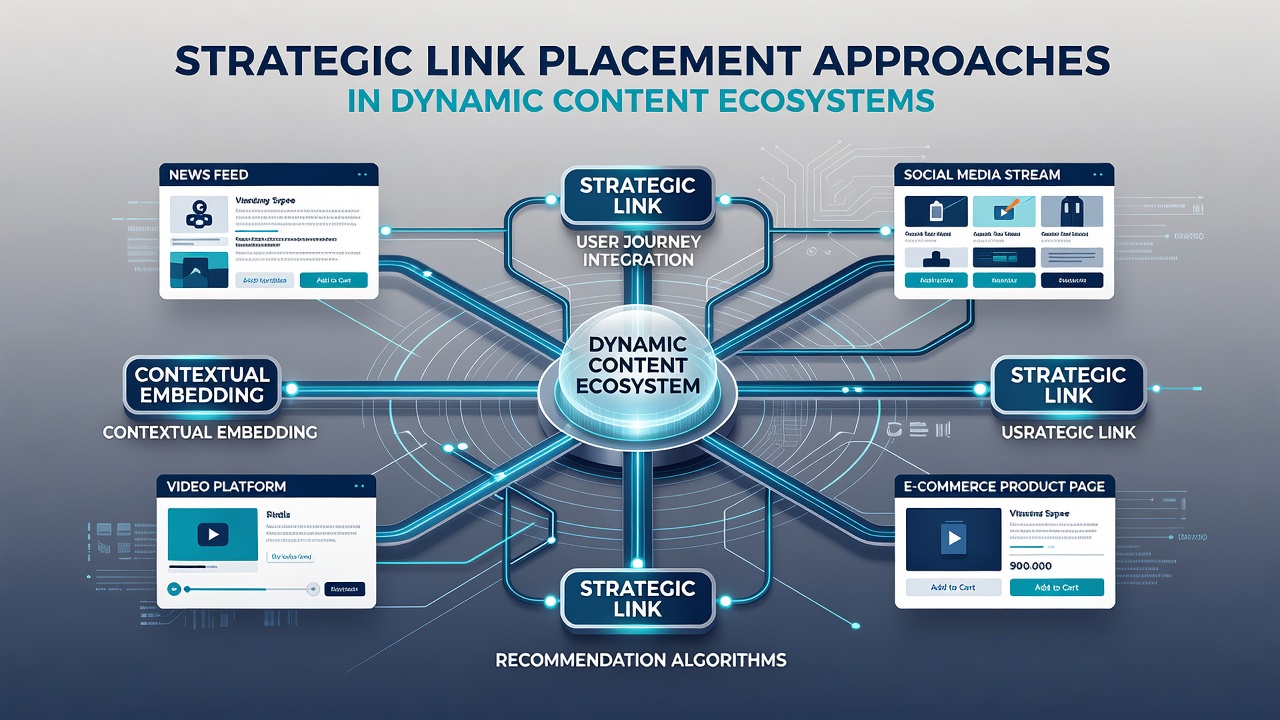
Mobile applications that rely on progressive web technology present distinct challenges because viewport constraints limit simultaneous visibility. Developers therefore prioritize links within the first scrollable section or within expandable accordions that load additional context. Metrics collected across regions show that such placements correlate with extended session durations when the linked material matches the user's immediate task, whether that involves purchasing, learning, or verification steps.
Adaptation to Algorithmic and Regulatory Shifts
Search providers periodically revise how they evaluate link signals within dynamic pages, and September 2026 has been referenced in technical roadmaps as a period when enhanced handling of client-rendered content may roll out. Preparation for these changes includes auditing link attributes such as rel values and ensuring that placement logic remains transparent to crawlers through server-side rendering fallbacks. Regulatory bodies in the European Union have issued guidance on disclosure requirements for commercial links, which intersects with placement strategies when promotional content appears alongside editorial material in personalized feeds.
Canadian research initiatives have compiled datasets on how link density within frequently updated sections influences ranking stability over multi-month periods. These findings suggest that balanced distribution across content tiers produces more consistent outcomes than concentrating links in high-traffic modules alone. Implementation teams often test variations through A/B frameworks that track both user behavior and indexing status before scaling successful configurations.
Measurement and Refinement Practices
Analytics platforms provide granular data on click distribution across dynamic elements, allowing teams to correlate placement choices with downstream actions such as form submissions or additional page views. When ecosystems incorporate machine learning for content assembly, feedback loops feed performance signals back into placement rules, gradually refining which link positions activate under specific conditions. This iterative process relies on clean data pipelines that separate organic navigation from automated or test traffic.
Cross-border operations add complexity because different jurisdictions apply varying standards for link transparency and data handling. Organizations maintain separate rule sets for regions while preserving core placement logic that adapts through configuration files rather than code changes. Documentation from multiple government digital strategy papers highlights the importance of audit trails that record when and why link positions were adjusted in response to performance indicators.
Conclusion
Strategic link placement in dynamic content ecosystems rests on documented practices that balance technical constraints, user context, and indexing requirements. As platforms continue to evolve through API integrations and real-time personalization, the approaches outlined here provide frameworks that teams can adapt without relying on static templates. Ongoing observation of traffic patterns and compliance updates remains essential for maintaining effective link structures across changing digital landscapes.